

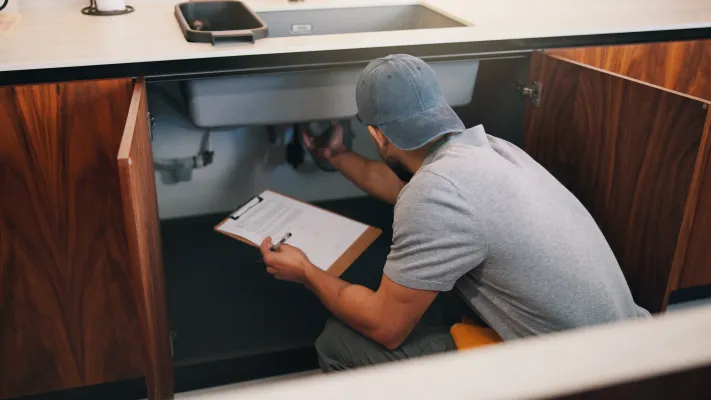
Buying a home is exciting, but excitement can make it easy to overlook problems that may not show up during a standard home inspection. Before you move forward, it helps to take a closer look at a property’s health, safety, and structural condition. A few targeted tests can uncover issues early, strengthen your negotiating position, and help you make a more informed decision.
A general home inspection is still an important part of the process, but it has limits. Inspectors evaluate visible and accessible areas of the home, which means hidden concerns can go undetected without additional testing. Depending on the property, a few specialized inspections may be well worth considering before closing.
Why a Standard Home Inspection May Not Be Enough
A typical home inspection reviews the roof, foundation, plumbing, electrical systems, HVAC, and major appliances. That gives buyers a helpful overview, but it does not always reveal environmental hazards, concealed damage, or conditions developing behind walls, under flooring, or below the home.
That is why many buyers choose to go a step further. The right follow-up inspections can bring more clarity to your purchase and may help you avoid costly surprises after move-in.
Four Specialized Tests Home Buyers Should Consider
1. Radon Testing
Radon is a naturally occurring gas that has no smell, color, or taste. Because it can enter a home through foundation cracks and other openings, testing is the only reliable way to know whether elevated levels are present. The EPA has identified radon exposure as a serious health concern, which makes this test especially important in areas where radon is more common.
Short-term tests can provide results quickly during a purchase timeline, while long-term tests offer a broader picture of average exposure. In many cases, the cost of testing is modest compared with the value of the information it provides.
2. Wood-Destroying Organism (WDO) Inspection
A WDO inspection looks for termites, carpenter ants, wood-boring beetles, and other pests that can damage a home’s structure. Even when there are no obvious signs of a problem, past or active infestation may still be present.
This inspection can be particularly helpful for older homes, properties in humid climates, or transactions involving loan programs that may require pest-related documentation. Identifying damage early gives buyers a chance to request repairs or better understand the property’s condition before closing.
3. Mold Inspection
Mold can develop anywhere moisture is present, including attics, crawlspaces, bathrooms, basements, and inside walls. Beyond property damage, mold may also affect indoor air quality and contribute to health concerns for some occupants.
A professional mold inspection may include visual review, moisture detection, and air or surface sampling when needed. If a home shows signs of leaks, musty odors, staining, or past water intrusion, this added step can help clarify whether a larger issue is present.
4. Foundation Inspection
If a general home inspector notices uneven floors, significant cracks, sticking windows or doors, or signs of shifting, a foundation specialist or structural engineer may be worth consulting. Foundation concerns can range from minor settlement to more significant structural problems, so getting expert input is important.
A specialized evaluation can help you understand the severity of the issue, possible repair options, and whether the condition should affect your decision to move forward with the purchase.
How to Decide Which Tests Make Sense
Not every home needs every specialized inspection. The right approach depends on the home’s age, location, condition, and any warning signs that come up during the initial inspection. Your real estate agent, inspector, and loan professional can help you think through which additional steps may be appropriate for your situation.
If you are financing a home and want guidance as you move through the process, Loans, Inc. is here to help. Reach out at 555-666-4444 to talk through your next steps.
Final Thoughts
Buying a home is one of the biggest financial decisions most people make. Taking time to look beyond the standard inspection can give you more confidence in that decision. Specialized tests may add to your upfront costs, but they can also help protect your budget, your health, and your peace of mind long after closing day.
When you understand a property more fully, you are in a better position to negotiate, plan, and move forward with clarity. That kind of preparation can make all the difference as you turn a house into your home.